Climate action and social equity are often treated as separate issues — but in high‑density cities like Hong Kong, they’re deeply entangled, compounded by two core issues.
First, climate equity. For instance, in public schools, children often have up to ten times less greenery than in private schools. When we know that trees can lower regional temperatures by 3 to 7 degrees Celsius, those numbers become questions of climate equity: who enjoys cooler, safer spaces, and who bears the heat, the pollution, and the floods?
Second, our education system is part of the barrier. Youth will pay the cost of our actions today, while older adults are among the most vulnerable, yet what they learn in school is separated into biology, geography, design, and technology — as if real‑world climate risks come in separate boxes. Too often, citizens become apathetic and anxious, believing there is nothing they can do about big problems like this.
At the core of climate equity is participatory knowledge — the kind of knowledge co‑created between citizens and professionals that allows people to preemptively mitigate risks in their neighbourhood environments.
So our initiative starts from a simple question: How can we empower the next generation with interdisciplinary thinking and AI skills, so they can co‑create interventions that are both adaptive and equitable — not just for themselves, but for their communities?
This is why Digital Common(s) launched the Design Scientist Incubation Program. Over nine weeks, youth, elderly, social workers, scientists, and architects come together through an urban living lab, which is a real‑world sandbox approach where participants study, prototype, and test solutions directly in their neighbourhoods through micro‑interventions. These are human–scale, affordable solutions that build their capacity and confidence.
They tackle real‑world climate risks — including urban heat islands, flooding, and biodiversity loss — which are indeed interconnected design challenges, guided by our rigorous 6-steps nature-based learning method refined through 3-years of our PhD research.
• First, they reframe flooding as a land–water interface design problem,
• Second, they explore biomimicry principles from nature, which mimics biological principles for nature based solutions
• Third, they use generative AI to brainstorm and visualise ideas.
• Fourth, they generate 3D prototyping models with bio‑materials,
• Fifth, finally they test them on‑site,
• Finally, they refine the design based on real world data.
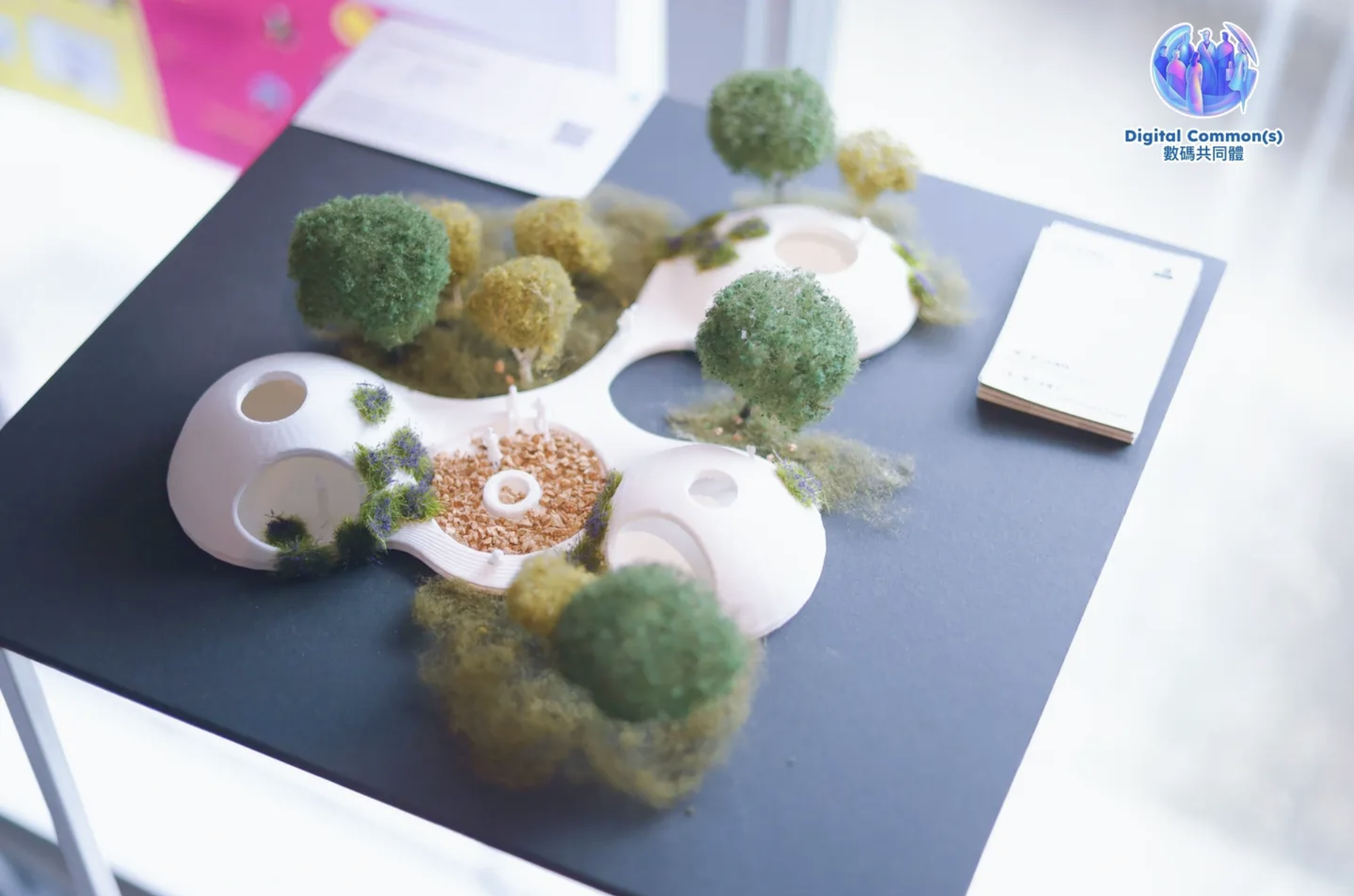
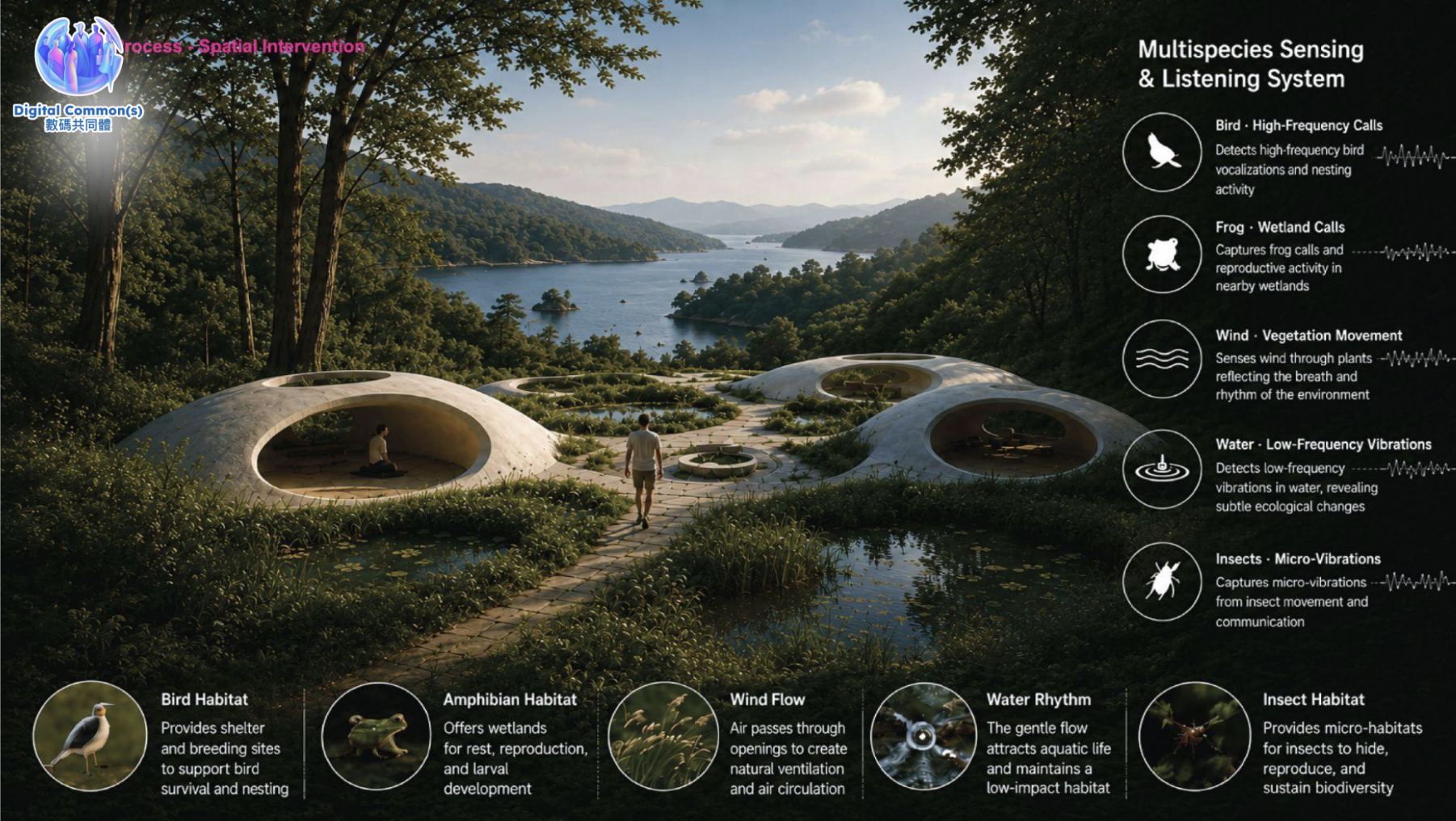
One group, for example, drew inspiration from mushrooms and fungi to design modular greening pavilions for vulnerable communities — shaded, low‑cost structures that can be pre‑fabricated and distributed across dense neighbourhoods.
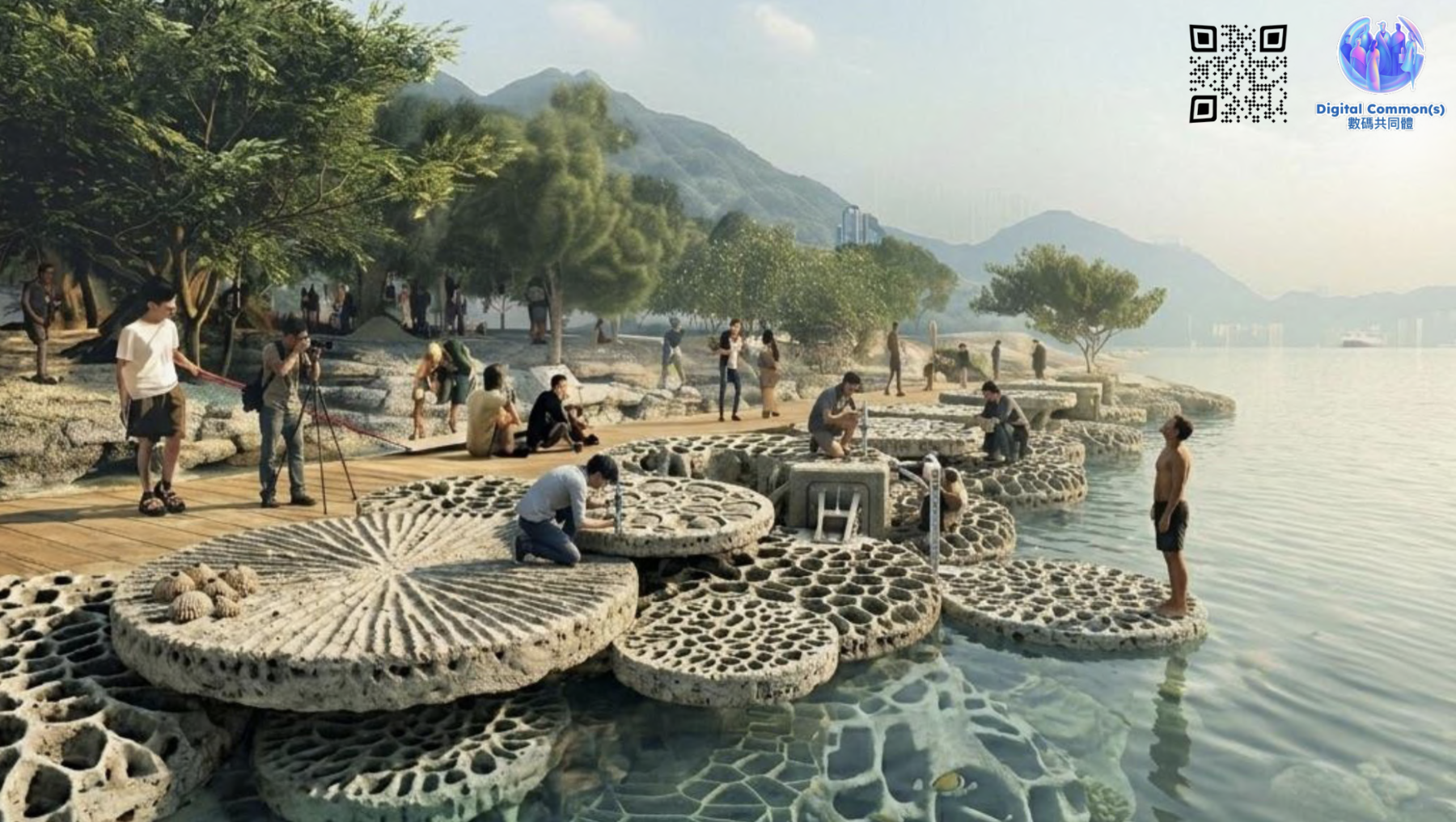
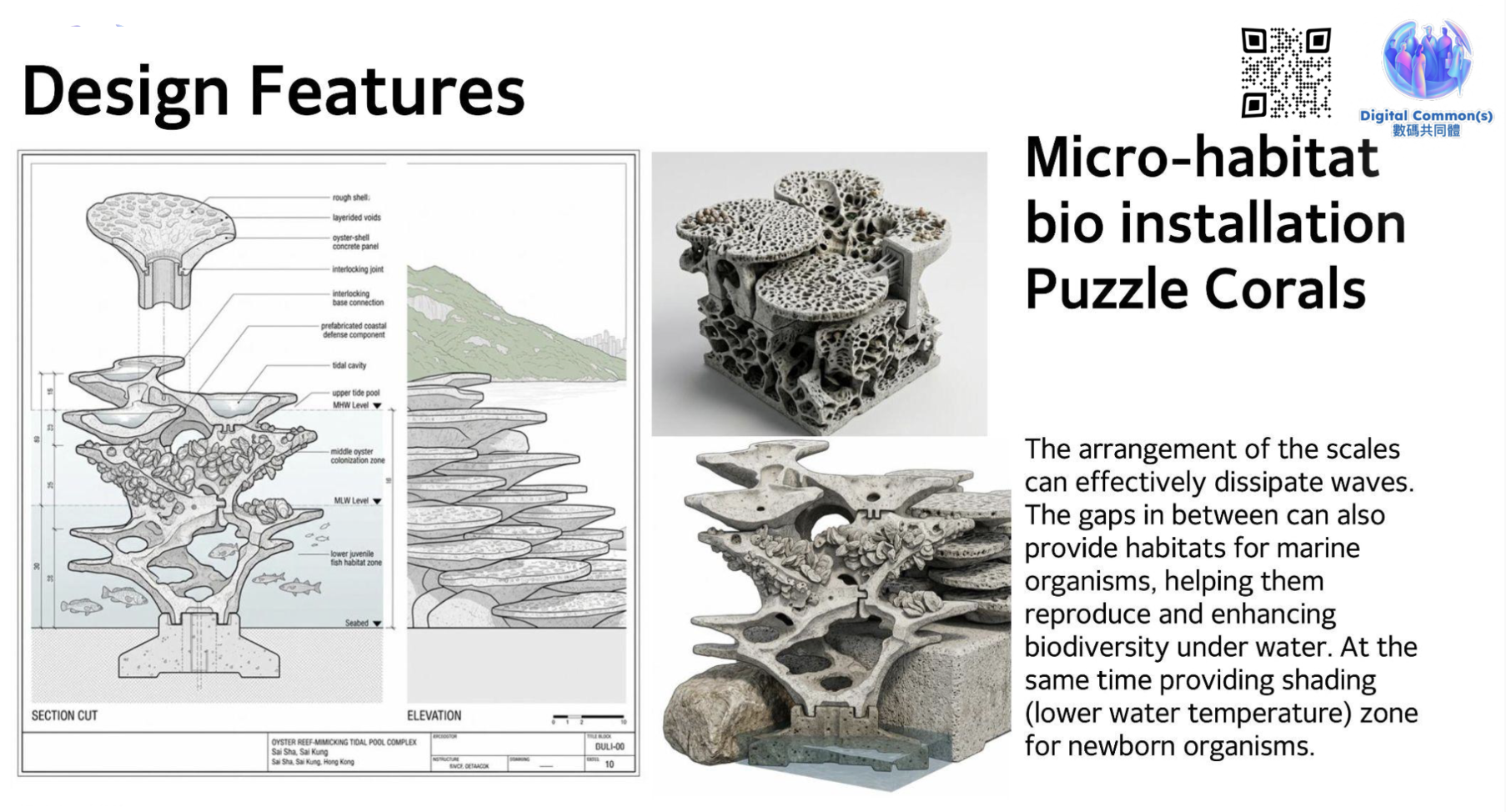
Another group thinks about how to maximise surface areas of coastal regions by mimicking coral structures, which helps to create living breakwaters by supporting micro-organisms and oysters to re-colonialise intertidal zones.
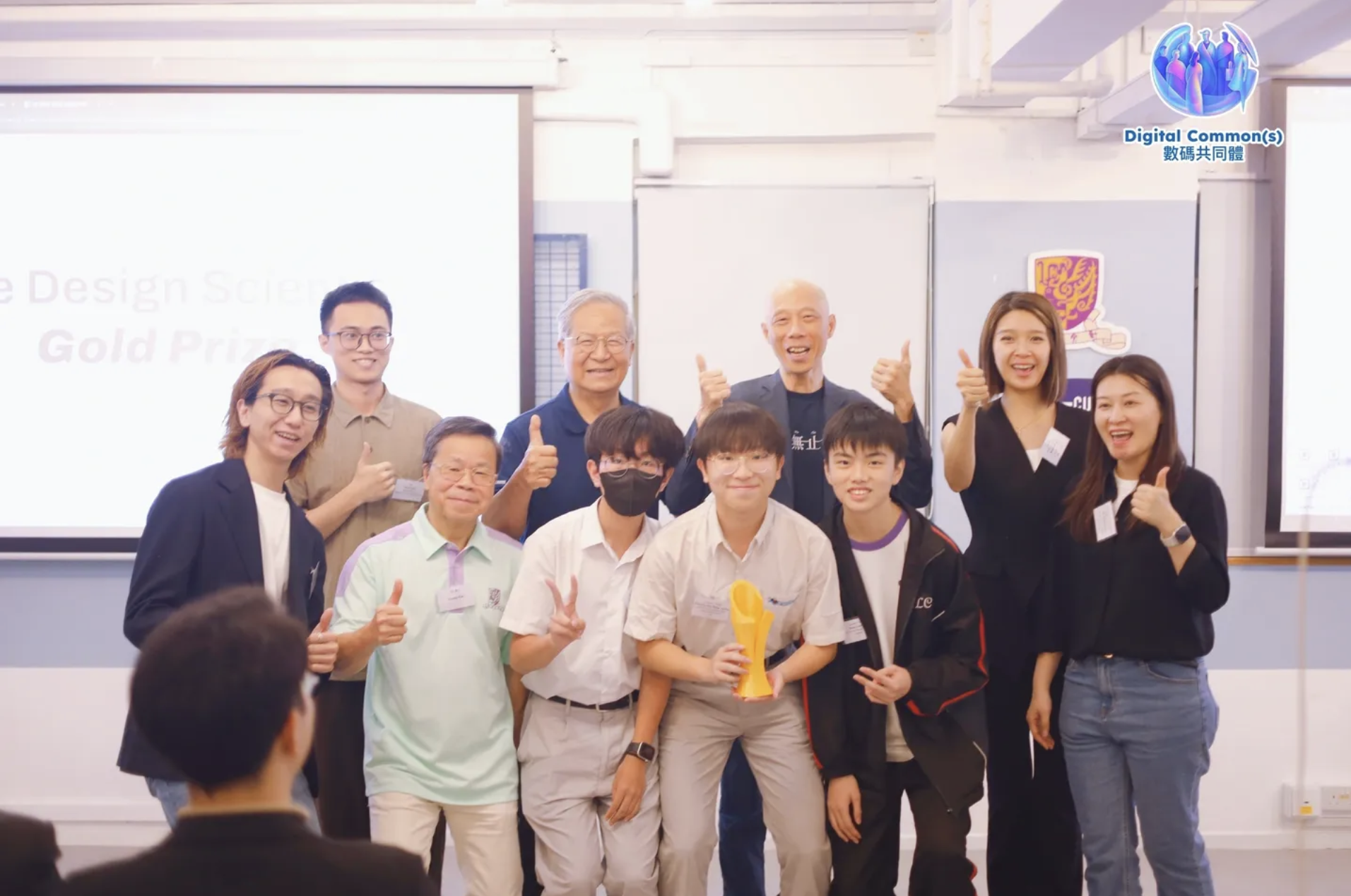
Some of these ideas became real world fabricated prototypes that were tested on site and presented at a public showcase paneled by the Former Secretary for the Environment, the Former Assistant Director of the Hong Kong Observatory, and a crew of registered professionals. It’s not just a celebration — it’s a platform to pitch ideas to policymakers and developers who can turn prototypes into policy and practice.
The impact is threefold.
• First, participants build portfolios to diversify their career paths as ecopreneurs.
• Second, we create an idea bank that opens doors to real‑world partnerships, policy pilots, and future funding opportunities.
• Third, participants walk away with climate literacy — the ability to read a city not just as an artificial environment, but as a socio-ecological system.
Ultimately, we hope to build an ecology where architects and professionals receive free AI upskilling to navigate the increasingly automated market, then they give back to society via youth engagement, who then pitch innovative SDG ideas to policymakers, building a legacy project with information circularity between professionals, communities, and institutions.
Together, we are collecting efforts to create a more sustainable and inclusive city for tomorrow where everyone can truly participate, where knowledge flows, and where we can reinforce a shared commitment to collective action in climate resilience.
Please join us on this journey.